Breed guide
Akita
A source-linked starting point for Akita: The Akita is a muscular, double-coated dog of ancient Japanese lineage famous for their dignity, courage, and loyalty. Use this as context for the individual dog's routine, not as a prediction of behaviour or health.
About this breed
How to use this Akita profile
For Akita, the verified profile records Height, Weight, Life expectancy. These references explain what to observe and what to adjust in daily life; they do not establish a guaranteed behaviour rate, diagnosis, or outcome for an individual dog.
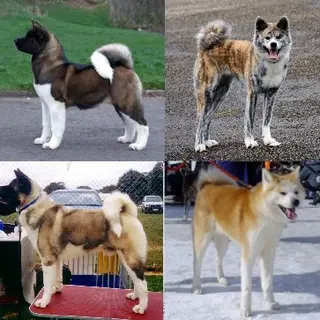
How to recognize the breed
Use the whole outline, coat, proportions, and movement together. A single photo or colour is not enough to establish breed identity.
26-28 inches (male), 24-26 inches (female)
AKC page PageMap DataObject > height100-130 pounds (male), 70-100 pounds (female)
AKC page PageMap DataObject > weight10-14 years
AKC page PageMap DataObject > life_expectancyAkitas tend to be clean and have little 'doggy odor.' They don't require extensive grooming, but their thick, luxurious double coat should be brushed at least once a week to look its best. Although Akitas shed only minimally most of the time, expect their dense undercoat to 'blow' twice a year, where it will shed so profusely that it comes out in clumps all…
AKC page Grooming > official section copyBody condition and trend
Height and weight references are already shown above; they are context, not a personal target. Use the BCS tool and the individual dog's ribs, waist, abdominal tuck, age, and trend.
Daily life priorities
The Akita is generally not a highly active breed but does require moderate exercise. A jog or brisk walk around the block at least once a day can meet the needs of most individuals of the breed. Akitas also enjoy playing energetically. Although they are large dogs ' males often weigh more than 100 pounds ' with sufficient daily exercise Akitas can do well…
AKC page Exercise > official section copyAkitas are very intelligent and loyal but also have an independent, headstrong nature. As large and very powerful dogs, it is vital that they are trained consistently, beginning in puppyhood. They are instinctive guardians, so it's especially important that Akitas have early and extensive socialization when young. They must learn to accept a wide…
AKC page Training > official section copyAkitas tend to be clean and have little 'doggy odor.' They don't require extensive grooming, but their thick, luxurious double coat should be brushed at least once a week to look its best. Although Akitas shed only minimally most of the time, expect their dense undercoat to 'blow' twice a year, where it will shed so profusely that it comes out in clumps all…
AKC page Grooming > official section copyAdjust difficulty, duration, and handling for the individual dog. The linked long-tail pages turn these profile facts into practical routines.
Health checks and when to call the vet
If you are choosing a puppy or checking a breeding record, ask for the named test, result, date, and scheme. These checks help assess breeding risk; they are not a diagnosis of an individual dog.
Questions owners ask about Akita
Verified facts
| Height | 26-28 inches (male), 24-26 inches (female) AKC page PageMap DataObject > height |
|---|---|
| Weight | 100-130 pounds (male), 70-100 pounds (female) AKC page PageMap DataObject > weight |
| Life expectancy | 10-14 years AKC page PageMap DataObject > life_expectancy |
| Grooming | Akitas tend to be clean and have little 'doggy odor.' They don't require extensive grooming, but their thick, luxurious double coat should be brushed at least once a week to look its best. Although Akitas shed only minimally most of the time, expect their dense undercoat to 'blow' twice a year, where it will shed so profusely that it comes out in clumps all… AKC page Grooming > official section copy |
| Exercise | The Akita is generally not a highly active breed but does require moderate exercise. A jog or brisk walk around the block at least once a day can meet the needs of most individuals of the breed. Akitas also enjoy playing energetically. Although they are large dogs ' males often weigh more than 100 pounds ' with sufficient daily exercise Akitas can do well… AKC page Exercise > official section copy |
| Training | Akitas are very intelligent and loyal but also have an independent, headstrong nature. As large and very powerful dogs, it is vital that they are trained consistently, beginning in puppyhood. They are instinctive guardians, so it's especially important that Akitas have early and extensive socialization when young. They must learn to accept a wide… AKC page Training > official section copy |
| Official breed description | The Akita is a muscular, double-coated dog of ancient Japanese lineage famous for their dignity, courage, and loyalty. In their native land, they're venerated as family protectors and symbols of good health, happiness, and long life. AKC page About the Breed > official breed description |
| Recommended parent-club health tests | ['Hip Evaluation', 'Ophthalmologist Evaluation', 'Thyroid Evaluation'] AKC page Health > Recommended Health Tests From the National Breed Club |
| Official breed standard | http://images.akc.org/pdf/breeds/standards/Akita.pdf AKC page The Breed Standard > View Full Breed Standard |
How to use this profile
Use the facts on this page as a starting point, then observe the individual dog. A breed label does not establish behaviour frequency, diagnosis, or a guaranteed outcome. Medical and screening claims remain subject to review.
Research status
Source register
Use the tools