Breed guide
Alaskan Malamute
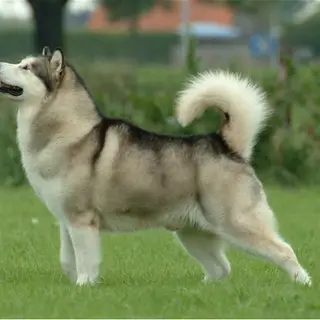
A source-linked starting point for Alaskan Malamute: An immensely strong, heavy-duty worker of spitz type, the Alaskan Malamute is an affectionate, loyal, and playful but dignified dog recognizable by his well-furred plumed tail carried over the back, erect ears, and substantial bone. Use this as context for the individual dog's routine, not as a prediction of behaviour or health.
About this breed
How to use this Alaskan Malamute profile
For Alaskan Malamute, the verified profile records Height, Weight, Life expectancy. These references explain what to observe and what to adjust in daily life; they do not establish a guaranteed behaviour rate, diagnosis, or outcome for an individual dog.
How to recognize the breed
Use the whole outline, coat, proportions, and movement together. A single photo or colour is not enough to establish breed identity.
25 inches (male), 23 inches (female)
AKC page PageMap DataObject > height85 pounds (male), 75 pounds (female)
AKC page PageMap DataObject > weight10-14 years
AKC page PageMap DataObject > life_expectancyThe thick, waterproof double coat of the Alaskan Malamute is beautifully adapted to harsh Arctic life, but it requires constant upkeep. A Malamute should be brushed every day with a pin brush and metal comb, all the while checking for mats, which can harbor fungus, and hot spots, which can become infected. Twice a year, during shedding season, an undercoat…
AKC page Grooming > official section copyBody condition and trend
Height and weight references are already shown above; they are context, not a personal target. Use the BCS tool and the individual dog's ribs, waist, abdominal tuck, age, and trend.
Daily life priorities
While the Malamute was not bred for racing, he was bred to work. A strong, athletic dog with tremendous endurance, designed to carry heavy loads, a Mal requires daily exercise. Romping in a well-fenced yard or other enclosed space will suffice, but Malamutes also enjoy hiking, running, and swimming with their owners. And should the owner have sufficient…
AKC page Exercise > official section copySocialization and obedience training are necessary in order to prevent a Malamute from becoming pushy with children and other pets, or dominant over adults he or she doesn't respect. Malamutes are highly intelligent but also independent and willful, often to the point of stubbornness. While fairness and patience can yield a devoted, trustworthy companion,…
AKC page Training > official section copyThe thick, waterproof double coat of the Alaskan Malamute is beautifully adapted to harsh Arctic life, but it requires constant upkeep. A Malamute should be brushed every day with a pin brush and metal comb, all the while checking for mats, which can harbor fungus, and hot spots, which can become infected. Twice a year, during shedding season, an undercoat…
AKC page Grooming > official section copyAdjust difficulty, duration, and handling for the individual dog. The linked long-tail pages turn these profile facts into practical routines.
Health checks and when to call the vet
If you are choosing a puppy or checking a breeding record, ask for the named test, result, date, and scheme. These checks help assess breeding risk; they are not a diagnosis of an individual dog.
Questions owners ask about Alaskan Malamute
Verified facts
| Height | 25 inches (male), 23 inches (female) AKC page PageMap DataObject > height |
|---|---|
| Weight | 85 pounds (male), 75 pounds (female) AKC page PageMap DataObject > weight |
| Life expectancy | 10-14 years AKC page PageMap DataObject > life_expectancy |
| Grooming | The thick, waterproof double coat of the Alaskan Malamute is beautifully adapted to harsh Arctic life, but it requires constant upkeep. A Malamute should be brushed every day with a pin brush and metal comb, all the while checking for mats, which can harbor fungus, and hot spots, which can become infected. Twice a year, during shedding season, an undercoat… AKC page Grooming > official section copy |
| Exercise | While the Malamute was not bred for racing, he was bred to work. A strong, athletic dog with tremendous endurance, designed to carry heavy loads, a Mal requires daily exercise. Romping in a well-fenced yard or other enclosed space will suffice, but Malamutes also enjoy hiking, running, and swimming with their owners. And should the owner have sufficient… AKC page Exercise > official section copy |
| Training | Socialization and obedience training are necessary in order to prevent a Malamute from becoming pushy with children and other pets, or dominant over adults he or she doesn't respect. Malamutes are highly intelligent but also independent and willful, often to the point of stubbornness. While fairness and patience can yield a devoted, trustworthy companion,… AKC page Training > official section copy |
| Official breed description | An immensely strong, heavy-duty worker of spitz type, the Alaskan Malamute is an affectionate, loyal, and playful but dignified dog recognizable by his well-furred plumed tail carried over the back, erect ears, and substantial bone. AKC page About the Breed > official breed description |
| Recommended parent-club health tests | ['Hip Evaluation', 'Ophthalmologist Evaluation', 'Alaskan Malamute Polyneuropathy (AMPN) - DNA Test'] AKC page Health > Recommended Health Tests From the National Breed Club |
| Official breed standard | http://images.akc.org/pdf/breeds/standards/AlaskanMalamute.pdf AKC page The Breed Standard > View Full Breed Standard |
How to use this profile
Use the facts on this page as a starting point, then observe the individual dog. A breed label does not establish behaviour frequency, diagnosis, or a guaranteed outcome. Medical and screening claims remain subject to review.
Research status
Source register
Use the tools