Breed guide
Bloodhound
A source-linked starting point for Bloodhound: The world-famous 'Sleuth Hound' does one thing better than any creature on earth: find people who are lost or hiding. Use this as context for the individual dog's routine, not as a prediction of behaviour or health.
About this breed
How to use this Bloodhound profile
For Bloodhound, the verified profile records Height, Weight, Life expectancy. These references explain what to observe and what to adjust in daily life; they do not establish a guaranteed behaviour rate, diagnosis, or outcome for an individual dog.
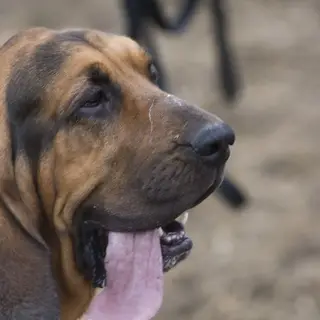
How to recognize the breed
Use the whole outline, coat, proportions, and movement together. A single photo or colour is not enough to establish breed identity.
25-27 inches (male), 23-25 inches (female)
AKC page PageMap DataObject > height90-110 pounds (male), 80-100 pounds (female)
AKC page PageMap DataObject > weight10-12 years
AKC page PageMap DataObject > life_expectancyThe Bloodhound has a short, dense coat that is shed once or twice a year. Weekly brushing with a medium-bristle brush, a rubber grooming mitt or tool, or a hound glove will remove the dead hair before it can fall onto the furniture. Brushing also promotes new hair growth and distributes skin oils throughout the coat to keep it healthy. Bloodhounds should be…
AKC page Grooming > official section copyBody condition and trend
Height and weight references are already shown above; they are context, not a personal target. Use the BCS tool and the individual dog's ribs, waist, abdominal tuck, age, and trend.
Daily life priorities
The popular misconception is that Bloodhounds spend their days lazing on the front porch. The truth is that the Bloodhound, who was bred to follow a scent for hours on end, is an active dog who requires daily exercise. He will benefit from long daily walks'always on a leash, as he may not respond to commands if he has found a scent to follow. Additional…
AKC page Exercise > official section copyAs with all breeds, early socialization and puppy training classes are recommended. With a Bloodhound, it's best to start obedience classes early; they tend to become set in their ways, and it's better if the behaviors they hold onto for a lifetime are the behaviors the owner wants. Bloodhounds like to take charge, so an owner needs to be firm but…
AKC page Training > official section copyThe Bloodhound has a short, dense coat that is shed once or twice a year. Weekly brushing with a medium-bristle brush, a rubber grooming mitt or tool, or a hound glove will remove the dead hair before it can fall onto the furniture. Brushing also promotes new hair growth and distributes skin oils throughout the coat to keep it healthy. Bloodhounds should be…
AKC page Grooming > official section copyAdjust difficulty, duration, and handling for the individual dog. The linked long-tail pages turn these profile facts into practical routines.
Health checks and when to call the vet
If you are choosing a puppy or checking a breeding record, ask for the named test, result, date, and scheme. These checks help assess breeding risk; they are not a diagnosis of an individual dog.
Questions owners ask about Bloodhound
Verified facts
| Height | 25-27 inches (male), 23-25 inches (female) AKC page PageMap DataObject > height |
|---|---|
| Weight | 90-110 pounds (male), 80-100 pounds (female) AKC page PageMap DataObject > weight |
| Life expectancy | 10-12 years AKC page PageMap DataObject > life_expectancy |
| Grooming | The Bloodhound has a short, dense coat that is shed once or twice a year. Weekly brushing with a medium-bristle brush, a rubber grooming mitt or tool, or a hound glove will remove the dead hair before it can fall onto the furniture. Brushing also promotes new hair growth and distributes skin oils throughout the coat to keep it healthy. Bloodhounds should be… AKC page Grooming > official section copy |
| Exercise | The popular misconception is that Bloodhounds spend their days lazing on the front porch. The truth is that the Bloodhound, who was bred to follow a scent for hours on end, is an active dog who requires daily exercise. He will benefit from long daily walks'always on a leash, as he may not respond to commands if he has found a scent to follow. Additional… AKC page Exercise > official section copy |
| Training | As with all breeds, early socialization and puppy training classes are recommended. With a Bloodhound, it's best to start obedience classes early; they tend to become set in their ways, and it's better if the behaviors they hold onto for a lifetime are the behaviors the owner wants. Bloodhounds like to take charge, so an owner needs to be firm but… AKC page Training > official section copy |
| Official breed description | The world-famous 'Sleuth Hound' does one thing better than any creature on earth: find people who are lost or hiding. An off-duty Bloodhound is among the canine kingdom's most docile citizens, but he's relentless and stubborn on a scent. AKC page About the Breed > official breed description |
| Recommended parent-club health tests | ['Hip Evaluation', 'Elbow Evaluation', 'Cardiac Exam'] AKC page Health > Recommended Health Tests From the National Breed Club |
| Official breed standard | http://images.akc.org/pdf/breeds/standards/Bloodhound.pdf AKC page The Breed Standard > View Full Breed Standard |
How to use this profile
Use the facts on this page as a starting point, then observe the individual dog. A breed label does not establish behaviour frequency, diagnosis, or a guaranteed outcome. Medical and screening claims remain subject to review.
Research status
Source register
Use the tools