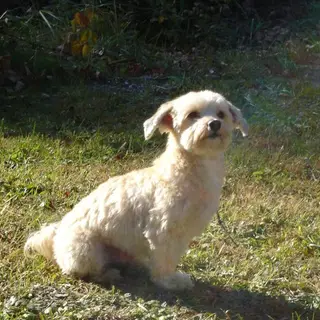
Breed guide
Havanese
A source-linked starting point for Havanese: Havanese, the only dog breed native to Cuba, are cheerful little dogs with a spring in their step and a gleam in their big, brown eyes. Use this as context for the individual dog's routine, not as a prediction of behaviour or health.
About this breed
How to use this Havanese profile
For Havanese, the verified profile records Height, Weight, Life expectancy. These references explain what to observe and what to adjust in daily life; they do not establish a guaranteed behaviour rate, diagnosis, or outcome for an individual dog.
How to recognize the breed
Use the whole outline, coat, proportions, and movement together. A single photo or colour is not enough to establish breed identity.
8.5-11.5 inches
AKC page PageMap DataObject > height7-13 pounds
AKC page PageMap DataObject > weight14-16 years
AKC page PageMap DataObject > life_expectancyThe long, soft, and silky coat of the Havanese needs to be groomed daily to be kept free of mats and tangles. This can be done by gently running a comb or soft brush over the dog while he is on your lap. Pet owners often choose to have their dog's coat clipped to a short trim to reduce grooming time. The Havanese should also be bathed occasionally as…
AKC page Grooming > official section copyBody condition and trend
Height and weight references are already shown above; they are context, not a personal target. Use the BCS tool and the individual dog's ribs, waist, abdominal tuck, age, and trend.
Daily life priorities
The Havanese has moderate exercise needs. They will benefit from a brisk daily walk or a fun playtime with their owner in the backyard, as they are happiest when someone is with them. Romping inside the home can also provide enough activity. Never over-exercise a Havanese of any age. If they are panting and struggling to keep up, it is time to go home.…
AKC page Exercise > official section copyHavanese are highly intelligent and eager to please, and they are easily trained so long as you use only positive methods. This can be a sensitive breed, so care must be taken to not scold them harshly. Socialization from an early age is very important. Expose them calmly to a wide variety of new places and new people, always ensuring that the experiences…
AKC page Training > official section copyThe long, soft, and silky coat of the Havanese needs to be groomed daily to be kept free of mats and tangles. This can be done by gently running a comb or soft brush over the dog while he is on your lap. Pet owners often choose to have their dog's coat clipped to a short trim to reduce grooming time. The Havanese should also be bathed occasionally as…
AKC page Grooming > official section copyAdjust difficulty, duration, and handling for the individual dog. The linked long-tail pages turn these profile facts into practical routines.
Health checks and when to call the vet
If you are choosing a puppy or checking a breeding record, ask for the named test, result, date, and scheme. These checks help assess breeding risk; they are not a diagnosis of an individual dog.
Questions owners ask about Havanese
Verified facts
| Height | 8.5-11.5 inches AKC page PageMap DataObject > height |
|---|---|
| Weight | 7-13 pounds AKC page PageMap DataObject > weight |
| Life expectancy | 14-16 years AKC page PageMap DataObject > life_expectancy |
| Grooming | The long, soft, and silky coat of the Havanese needs to be groomed daily to be kept free of mats and tangles. This can be done by gently running a comb or soft brush over the dog while he is on your lap. Pet owners often choose to have their dog's coat clipped to a short trim to reduce grooming time. The Havanese should also be bathed occasionally as… AKC page Grooming > official section copy |
| Exercise | The Havanese has moderate exercise needs. They will benefit from a brisk daily walk or a fun playtime with their owner in the backyard, as they are happiest when someone is with them. Romping inside the home can also provide enough activity. Never over-exercise a Havanese of any age. If they are panting and struggling to keep up, it is time to go home.… AKC page Exercise > official section copy |
| Training | Havanese are highly intelligent and eager to please, and they are easily trained so long as you use only positive methods. This can be a sensitive breed, so care must be taken to not scold them harshly. Socialization from an early age is very important. Expose them calmly to a wide variety of new places and new people, always ensuring that the experiences… AKC page Training > official section copy |
| Official breed description | Havanese, the only dog breed native to Cuba, are cheerful little dogs with a spring in their step and a gleam in their big, brown eyes. These vivacious and sociable companions are becoming especially popular with American city dwellers. AKC page About the Breed > official breed description |
| Recommended parent-club health tests | ['Patella Evaluation', 'Hip Evaluation', 'Ophthalmologist Evaluation'] AKC page Health > Recommended Health Tests From the National Breed Club |
| Official breed standard | http://images.akc.org/pdf/breeds/standards/Havanese.pdf AKC page The Breed Standard > View Full Breed Standard |
How to use this profile
Use the facts on this page as a starting point, then observe the individual dog. A breed label does not establish behaviour frequency, diagnosis, or a guaranteed outcome. Medical and screening claims remain subject to review.
Research status
Source register
Use the tools