Breed guide
Newfoundland
A source-linked starting point for Newfoundland: The massive Newfoundland is a strikingly large, powerful working dog of heavy bone and dignified bearing. Use this as context for the individual dog's routine, not as a prediction of behaviour or health.
About this breed
How to use this Newfoundland profile
For Newfoundland, the verified profile records Height, Weight, Life expectancy. These references explain what to observe and what to adjust in daily life; they do not establish a guaranteed behaviour rate, diagnosis, or outcome for an individual dog.
How to recognize the breed
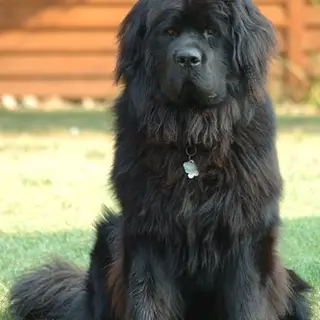
Use the whole outline, coat, proportions, and movement together. A single photo or colour is not enough to establish breed identity.
28 inches (average male), 26 inches (average female)
AKC page PageMap DataObject > height130-150 pounds (male), 100-120 pounds (female)
AKC page PageMap DataObject > weight9-10 years
AKC page PageMap DataObject > life_expectancyThe Newfoundland's heavy coat requires thorough brushing at least once a week. A thorough going-over with a slicker brush and a long-toothed comb will remove dead hair and prevent mats from forming. These will become daily sessions during shedding season, which generally occurs twice a year; however, spayed and neutered Newfs shed year-round and will…
AKC page Grooming > official section copyBody condition and trend
Height and weight references are already shown above; they are context, not a personal target. Use the BCS tool and the individual dog's ribs, waist, abdominal tuck, age, and trend.
Daily life priorities
The Newfoundland is a multipurpose dog, at home on land and in water. As well as being a devoted companion, he is adept at draft work and has natural lifesaving abilities. Newfoundlands need at least a half-hour of moderate exercise daily to stay healthy and happy. While they are definitely meant to live indoors with their human family, Newfs enjoy outdoor…
AKC page Exercise > official section copyThe Newfoundland puppy is outgoing, intelligent, and curious'never timid, skittish, or aggressive. Daily human contact is absolutely essential for any Newfie. Early socialization and puppy training classes are recommended and help to ensure that the Newfoundland grows into a well-adjusted, well-mannered companion. A puppy who is going to be trained for…
AKC page Training > official section copyThe Newfoundland's heavy coat requires thorough brushing at least once a week. A thorough going-over with a slicker brush and a long-toothed comb will remove dead hair and prevent mats from forming. These will become daily sessions during shedding season, which generally occurs twice a year; however, spayed and neutered Newfs shed year-round and will…
AKC page Grooming > official section copyAdjust difficulty, duration, and handling for the individual dog. The linked long-tail pages turn these profile facts into practical routines.
Health checks and when to call the vet
If you are choosing a puppy or checking a breeding record, ask for the named test, result, date, and scheme. These checks help assess breeding risk; they are not a diagnosis of an individual dog.
Questions owners ask about Newfoundland
Verified facts
| Height | 28 inches (average male), 26 inches (average female) AKC page PageMap DataObject > height |
|---|---|
| Weight | 130-150 pounds (male), 100-120 pounds (female) AKC page PageMap DataObject > weight |
| Life expectancy | 9-10 years AKC page PageMap DataObject > life_expectancy |
| Grooming | The Newfoundland's heavy coat requires thorough brushing at least once a week. A thorough going-over with a slicker brush and a long-toothed comb will remove dead hair and prevent mats from forming. These will become daily sessions during shedding season, which generally occurs twice a year; however, spayed and neutered Newfs shed year-round and will… AKC page Grooming > official section copy |
| Exercise | The Newfoundland is a multipurpose dog, at home on land and in water. As well as being a devoted companion, he is adept at draft work and has natural lifesaving abilities. Newfoundlands need at least a half-hour of moderate exercise daily to stay healthy and happy. While they are definitely meant to live indoors with their human family, Newfs enjoy outdoor… AKC page Exercise > official section copy |
| Training | The Newfoundland puppy is outgoing, intelligent, and curious'never timid, skittish, or aggressive. Daily human contact is absolutely essential for any Newfie. Early socialization and puppy training classes are recommended and help to ensure that the Newfoundland grows into a well-adjusted, well-mannered companion. A puppy who is going to be trained for… AKC page Training > official section copy |
| Official breed description | The massive Newfoundland is a strikingly large, powerful working dog of heavy bone and dignified bearing. The sweet-tempered Newfie is a famously good companion and has earned a reputation as a patient and watchful 'nanny dog' for kids. AKC page About the Breed > official breed description |
| Recommended parent-club health tests | ['Hip Evaluation', 'Elbow Evaluation', 'Cardiac Exam', 'Cystinuria (Newfoundland) - DNA Test'] AKC page Health > Recommended Health Tests From the National Breed Club |
| Official breed standard | http://images.akc.org/pdf/breeds/standards/Newfoundland.pdf AKC page The Breed Standard > View Full Breed Standard |
How to use this profile
Use the facts on this page as a starting point, then observe the individual dog. A breed label does not establish behaviour frequency, diagnosis, or a guaranteed outcome. Medical and screening claims remain subject to review.
Research status
Source register
Use the tools