Breed guide
Otterhound
A source-linked starting point for Otterhound: Big, boisterous, and affectionate, the Otterhound was bred in medieval England for the now-outlawed activity of otter hunting. Use this as context for the individual dog's routine, not as a prediction of behaviour or health.
About this breed
How to use this Otterhound profile
For Otterhound, the verified profile records Height, Weight, Life expectancy. These references explain what to observe and what to adjust in daily life; they do not establish a guaranteed behaviour rate, diagnosis, or outcome for an individual dog.
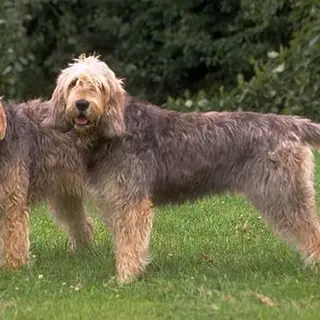
How to recognize the breed
Use the whole outline, coat, proportions, and movement together. A single photo or colour is not enough to establish breed identity.
27 inches (male), 24 inches (female)
AKC page PageMap DataObject > height115 pounds (male), 80 pounds (female)
AKC page PageMap DataObject > weight10-13 years
AKC page PageMap DataObject > life_expectancyWhile Otterhounds should be shown as naturally as possible, their coats do need brushing once or twice a week, depending on length and texture. A good slicker brush and medium comb work for this. The Otterhound's beard may need cleaning at the same time, since the dogs tend to drag them on the ground and store snacks in them. Nails should be trimmed every…
AKC page Grooming > official section copyBody condition and trend
Height and weight references are already shown above; they are context, not a personal target. Use the BCS tool and the individual dog's ribs, waist, abdominal tuck, age, and trend.
Daily life priorities
Otterhounds need mental as well as physical exercise. A large, securely fenced yard is a good beginning, but some hounds will lie under a tree in a fenced acre rather than self-exercise. Long walks to sniff the world and visit passersby are good for both owners and hounds. Obedience classes, tracking, and agility all provide mental stimulation as well as…
AKC page Exercise > official section copyAs large and strong as Otterhounds are, they can be very sensitive. Use positive, reward-based training methods and praise to get the best results. Like people, Otterhounds love to be told how wonderful and talented they are when they master something. Be patient. Food usually works well in training, but the combination of food and praise together is even…
AKC page Training > official section copyWhile Otterhounds should be shown as naturally as possible, their coats do need brushing once or twice a week, depending on length and texture. A good slicker brush and medium comb work for this. The Otterhound's beard may need cleaning at the same time, since the dogs tend to drag them on the ground and store snacks in them. Nails should be trimmed every…
AKC page Grooming > official section copyAdjust difficulty, duration, and handling for the individual dog. The linked long-tail pages turn these profile facts into practical routines.
Health checks and when to call the vet
If you are choosing a puppy or checking a breeding record, ask for the named test, result, date, and scheme. These checks help assess breeding risk; they are not a diagnosis of an individual dog.
Questions owners ask about Otterhound
Verified facts
| Height | 27 inches (male), 24 inches (female) AKC page PageMap DataObject > height |
|---|---|
| Weight | 115 pounds (male), 80 pounds (female) AKC page PageMap DataObject > weight |
| Life expectancy | 10-13 years AKC page PageMap DataObject > life_expectancy |
| Grooming | While Otterhounds should be shown as naturally as possible, their coats do need brushing once or twice a week, depending on length and texture. A good slicker brush and medium comb work for this. The Otterhound's beard may need cleaning at the same time, since the dogs tend to drag them on the ground and store snacks in them. Nails should be trimmed every… AKC page Grooming > official section copy |
| Exercise | Otterhounds need mental as well as physical exercise. A large, securely fenced yard is a good beginning, but some hounds will lie under a tree in a fenced acre rather than self-exercise. Long walks to sniff the world and visit passersby are good for both owners and hounds. Obedience classes, tracking, and agility all provide mental stimulation as well as… AKC page Exercise > official section copy |
| Training | As large and strong as Otterhounds are, they can be very sensitive. Use positive, reward-based training methods and praise to get the best results. Like people, Otterhounds love to be told how wonderful and talented they are when they master something. Be patient. Food usually works well in training, but the combination of food and praise together is even… AKC page Training > official section copy |
| Official breed description | Big, boisterous, and affectionate, the Otterhound was bred in medieval England for the now-outlawed activity of otter hunting. This scarce breed is known for his dense shaggy coat, webbed feet, acute sense of smell, and affinity for swimming. AKC page About the Breed > official breed description |
| Recommended parent-club health tests | ['Hip Evaluation', 'Elbow Evaluation', 'CHIC DNA Repository', "Glanzmann's Thrombasthenia (Otterhound) (GT) - DNA Test"] AKC page Health > Recommended Health Tests From the National Breed Club |
| Official breed standard | http://images.akc.org/pdf/breeds/standards/Otterhound.pdf AKC page The Breed Standard > View Full Breed Standard |
How to use this profile
Use the facts on this page as a starting point, then observe the individual dog. A breed label does not establish behaviour frequency, diagnosis, or a guaranteed outcome. Medical and screening claims remain subject to review.
Research status
Source register
Use the tools