Breed guide
Saluki
A source-linked starting point for Saluki: Among the world's oldest breeds, the slim but rugged Saluki was the hunting hound of kings for thousands of years. Use this as context for the individual dog's routine, not as a prediction of behaviour or health.
About this breed
How to use this Saluki profile
For Saluki, the verified profile records Height, Weight, Life expectancy. These references explain what to observe and what to adjust in daily life; they do not establish a guaranteed behaviour rate, diagnosis, or outcome for an individual dog.
How to recognize the breed
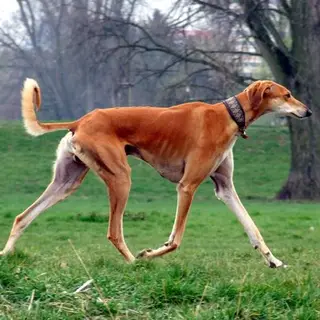
Use the whole outline, coat, proportions, and movement together. A single photo or colour is not enough to establish breed identity.
23-28 inches (male), considerably smaller (female)
AKC page PageMap DataObject > height40-65 pounds
AKC page PageMap DataObject > weight10-17 years
AKC page PageMap DataObject > life_expectancySalukis have two types of coats'feathered and smooth'and both are easily groomed with weekly brushing, although if they have long ear or tail feathering, that may take a bit more attention. Many Saluki owners use a snood to keep ear feathering out of the food bowl (smooth Salukis do not have that problem). Salukis are very clean dogs and known for not…
AKC page Grooming > official section copyBody condition and trend
Height and weight references are already shown above; they are context, not a personal target. Use the BCS tool and the individual dog's ribs, waist, abdominal tuck, age, and trend.
Daily life priorities
Salukis need regular exercise to keep fit, and daily walks (always on a leash) will help both hound and owner stay in shape, physically and mentally. Salukis love to run and should have a well-fenced yard to keep them safely away from traffic. Like other dogs, Salukis can be escape artists or destructive chewers when bored or unhappy at home, so good…
AKC page Exercise > official section copyThe Saluki will benefit from three types of training: (1) Crate training is recommended for those times when the dog needs to be safely confined in the home or while traveling. (2) Basic obedience training will help the dog learn manners in the home and community. Well-behaved dogs are welcome almost everywhere. (3) For mental stimulation and exercise,…
AKC page Training > official section copySalukis have two types of coats'feathered and smooth'and both are easily groomed with weekly brushing, although if they have long ear or tail feathering, that may take a bit more attention. Many Saluki owners use a snood to keep ear feathering out of the food bowl (smooth Salukis do not have that problem). Salukis are very clean dogs and known for not…
AKC page Grooming > official section copyAdjust difficulty, duration, and handling for the individual dog. The linked long-tail pages turn these profile facts into practical routines.
Health checks and when to call the vet
If you are choosing a puppy or checking a breeding record, ask for the named test, result, date, and scheme. These checks help assess breeding risk; they are not a diagnosis of an individual dog.
Questions owners ask about Saluki
Verified facts
| Height | 23-28 inches (male), considerably smaller (female) AKC page PageMap DataObject > height |
|---|---|
| Weight | 40-65 pounds AKC page PageMap DataObject > weight |
| Life expectancy | 10-17 years AKC page PageMap DataObject > life_expectancy |
| Grooming | Salukis have two types of coats'feathered and smooth'and both are easily groomed with weekly brushing, although if they have long ear or tail feathering, that may take a bit more attention. Many Saluki owners use a snood to keep ear feathering out of the food bowl (smooth Salukis do not have that problem). Salukis are very clean dogs and known for not… AKC page Grooming > official section copy |
| Exercise | Salukis need regular exercise to keep fit, and daily walks (always on a leash) will help both hound and owner stay in shape, physically and mentally. Salukis love to run and should have a well-fenced yard to keep them safely away from traffic. Like other dogs, Salukis can be escape artists or destructive chewers when bored or unhappy at home, so good… AKC page Exercise > official section copy |
| Training | The Saluki will benefit from three types of training: (1) Crate training is recommended for those times when the dog needs to be safely confined in the home or while traveling. (2) Basic obedience training will help the dog learn manners in the home and community. Well-behaved dogs are welcome almost everywhere. (3) For mental stimulation and exercise,… AKC page Training > official section copy |
| Official breed description | Among the world's oldest breeds, the slim but rugged Saluki was the hunting hound of kings for thousands of years. Salukis are swift and agile sprinters who love a good chase. They make gentle, dignified, and independent but loyal pets. AKC page About the Breed > official breed description |
| Recommended parent-club health tests | ['Cardiac Exam', 'Thyroid Evaluation'] AKC page Health > Recommended Health Tests From the National Breed Club |
| Official breed standard | http://images.akc.org/pdf/breeds/standards/Saluki.pdf AKC page The Breed Standard > View Full Breed Standard |
How to use this profile
Use the facts on this page as a starting point, then observe the individual dog. A breed label does not establish behaviour frequency, diagnosis, or a guaranteed outcome. Medical and screening claims remain subject to review.
Research status
Source register
Use the tools