Breed guide
Shetland Sheepdog
A source-linked starting point for Shetland Sheepdog: The Shetland Sheepdog, also known as the Sheltie, is an extremely intelligent, quick, and obedient herder from Scotland's remote and rugged Shetland Islands. Use this as context for the individual dog's routine, not as a prediction of behaviour or health.
About this breed
How to use this Shetland Sheepdog profile
For Shetland Sheepdog, the verified profile records Height, Weight, Life expectancy. These references explain what to observe and what to adjust in daily life; they do not establish a guaranteed behaviour rate, diagnosis, or outcome for an individual dog.
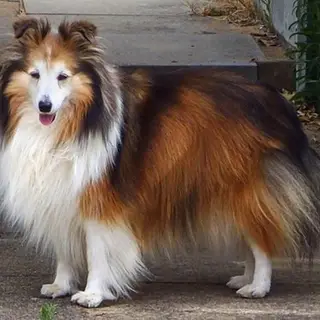
How to recognize the breed
Use the whole outline, coat, proportions, and movement together. A single photo or colour is not enough to establish breed identity.
13-16 inches
AKC page PageMap DataObject > height15-25 pounds
AKC page PageMap DataObject > weight12-14 years
AKC page PageMap DataObject > life_expectancyThe Sheltie has a profuse double coat that sheds considerably. The outer coat consists of long, straight, harsh hair, while the undercoat is short, furry, and very dense. Owners must be prepared to brush the coat weekly, and more often during shedding season, to help in removing at least some of the loose hair before it drifts all over the house. Be sure to…
AKC page Grooming > official section copyBody condition and trend
Height and weight references are already shown above; they are context, not a personal target. Use the BCS tool and the individual dog's ribs, waist, abdominal tuck, age, and trend.
Daily life priorities
Shelties are active and athletic, and while they need a moderate amount of exercise they are also very adaptable to their family's way of life. They do well as city dogs as long as owners provide sufficient exercise. They enjoy outings with their people that will exercise both their mind and body. Shelties enjoy and excel in many canine events, including…
AKC page Exercise > official section copyAs with all breeds, early socialization and puppy training classes are recommended. Very intelligent, trainable, and willing to please, the Sheltie will reach his full potential as a companion when taught at least basic obedience'and they are superstars at canine sports such as agility. Shelties can be quite vocal and express their happiness with barking,…
AKC page Training > official section copyThe Sheltie has a profuse double coat that sheds considerably. The outer coat consists of long, straight, harsh hair, while the undercoat is short, furry, and very dense. Owners must be prepared to brush the coat weekly, and more often during shedding season, to help in removing at least some of the loose hair before it drifts all over the house. Be sure to…
AKC page Grooming > official section copyAdjust difficulty, duration, and handling for the individual dog. The linked long-tail pages turn these profile facts into practical routines.
Health checks and when to call the vet
If you are choosing a puppy or checking a breeding record, ask for the named test, result, date, and scheme. These checks help assess breeding risk; they are not a diagnosis of an individual dog.
Questions owners ask about Shetland Sheepdog
Verified facts
| Height | 13-16 inches AKC page PageMap DataObject > height |
|---|---|
| Weight | 15-25 pounds AKC page PageMap DataObject > weight |
| Life expectancy | 12-14 years AKC page PageMap DataObject > life_expectancy |
| Grooming | The Sheltie has a profuse double coat that sheds considerably. The outer coat consists of long, straight, harsh hair, while the undercoat is short, furry, and very dense. Owners must be prepared to brush the coat weekly, and more often during shedding season, to help in removing at least some of the loose hair before it drifts all over the house. Be sure to… AKC page Grooming > official section copy |
| Exercise | Shelties are active and athletic, and while they need a moderate amount of exercise they are also very adaptable to their family's way of life. They do well as city dogs as long as owners provide sufficient exercise. They enjoy outings with their people that will exercise both their mind and body. Shelties enjoy and excel in many canine events, including… AKC page Exercise > official section copy |
| Training | As with all breeds, early socialization and puppy training classes are recommended. Very intelligent, trainable, and willing to please, the Sheltie will reach his full potential as a companion when taught at least basic obedience'and they are superstars at canine sports such as agility. Shelties can be quite vocal and express their happiness with barking,… AKC page Training > official section copy |
| Official breed description | The Shetland Sheepdog, also known as the Sheltie, is an extremely intelligent, quick, and obedient herder from Scotland's remote and rugged Shetland Islands. Shelties bear a strong family resemblance to their bigger cousin, the Collie. AKC page About the Breed > official breed description |
| Recommended parent-club health tests | ['Hip Evaluation', 'Ophthalmologist Evaluation'] AKC page Health > Recommended Health Tests From the National Breed Club |
| Official breed standard | http://images.akc.org/pdf/breeds/standards/ShetlandSheepdog.pdf AKC page The Breed Standard > View Full Breed Standard |
How to use this profile
Use the facts on this page as a starting point, then observe the individual dog. A breed label does not establish behaviour frequency, diagnosis, or a guaranteed outcome. Medical and screening claims remain subject to review.
Research status
Source register
Use the tools