Golden Retriever vs Labrador Retriever
What should you compare?
Both are retrievers, but coat, outline, and the way an individual dog works with people can differ. Compare the dog in front of you and the routine you can provide.

Dog breed intelligence
A sturdy Sporting breed known for a dense golden coat, an eager working style, and a need for daily activity.
1 · Identify
Look at the whole dog first, then compare the head, body, coat, and movement.
A broad head, friendly expression, and balanced muzzle are part of the breed picture. A single face photo is not enough to establish breed identity.
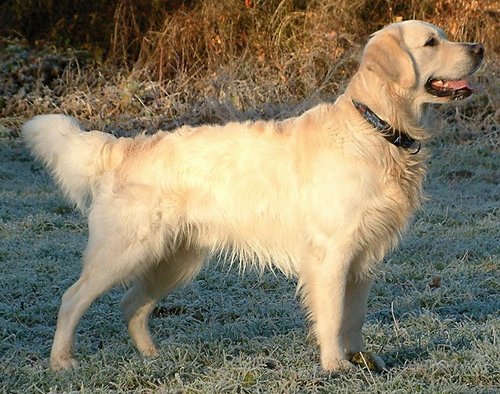
The Golden Retriever has a strong, athletic build. Compare the dog’s proportions and stance rather than judging size from a close-up.
The dense, lustrous coat ranges from dark golden to light golden in the AKC registration descriptions. Coat shade alone cannot identify a purebred dog.

Breed appearance varies by individual, age, coat condition, and breeding line. Use several views and treat a photo as a shortlist, not a pedigree test.
2 · Compare
Compare build, coat, work style, and home routine—not just colour.
What should you compare?
Both are retrievers, but coat, outline, and the way an individual dog works with people can differ. Compare the dog in front of you and the routine you can provide.
What should you compare?
Both are Sporting breeds. The Golden is larger with a dense golden coat; the Springer is a smaller spaniel with different feathering and field/show variation.
What should you compare?
Line labels can describe different selection priorities, but they do not replace meeting the individual dog or asking how it lives day to day.
3 · Size & weight
Use breed-standard figures as reference points, then assess the individual dog.
Individual dog
Breed-standard figures describe an ideal reference. Use the BCS tool and veterinary assessment for the dog’s actual body condition rather than treating the published range as a personal target.
4 · Daily life
Exercise, training, grooming, and the schedule behind them all matter.
Plan daily exercise and purposeful activity. The AKC lists retrieving, field work, agility, obedience, and tracking among suitable outlets.
The dense double coat sheds continuously and more heavily during seasonal changes. Brushing needs rise during heavy shedding.
Early socialization and puppy classes are part of the recommended foundation. Training is not separate from daily life; it helps shape the routine.
Plan daily movement, training, and retrieving activities without turning one exercise number into a promise about every dog.
Read guide Breeder checkVerify the parents’ records independently, inspect dates and identities, and read the puppy contract before paying a deposit.
Read guide PuppyUse a night routine, toilet plan, and realistic expectations instead of treating one age as a deadline.
Read guide HomeStage the first meetings, protect escape space, and supervise the new household routine.
Read guide TrainingPrevent rehearsal, secure the bin, and teach a specific alternative behaviour.
Read guide BehaviourTreat a growl as a warning, stop forced taking, and use a qualified behaviour plan.
Read guide EquipmentMeasure the individual dog and check shoulder movement, neck clearance, and rubbing while walking.
Read guide TrainingReview recent changes, rebuild the association, and rule out discomfort before asking for longer confinement.
Read guide HealthTrack the change, look for accompanying signs, and ask a veterinarian about persistent or worsening changes.
Read guide FeedingUse a measured transition and adjust portions to the individual dog’s condition and response.
Read guide Puppy behaviourEnd hard-biting play consistently, redirect to suitable objects, and build calmer interaction before the puppy is overwhelmed.
Read guide Coat careDecide when fresh water is enough, when shampoo is useful, and how to dry a Golden Retriever’s double coat to the skin.
Read guide SheddingPlan for year-round hair, heavier shedding cycles, and a brushing and cleaning routine that can scale from one Golden Retriever to two.
Read guide Multi-pet homePlan separate resources, barrier introductions, cat escape routes, and staged supervision before expecting a shared household.
Read guide5 · Health tests
Ask for the individual dog’s recorded results and the scheme used.
These are breeding-screening references, not a diagnosis of an individual Golden Retriever.
6 · Questions
There is no single age for every puppy. Sleep-through timing varies with age, routine, toilet needs, and the individual dog.
Use slow, supervised introductions and give children and resident dogs separate space while the new routine settles.
Management comes first: secure the bin, then teach an alternative behaviour rather than allowing repeated access.
A growl around a valued item is a warning signal. Avoid taking the item by force and seek qualified behaviour help early.
Choose a harness that fits the individual dog without restricting shoulder movement; check the fit while the dog is standing and moving.
A sudden crate change calls for a review of the routine, environment, and recent experiences rather than forcing entry.
A change in nose pigment is an individual health question; record the change and ask a veterinarian if it persists or is accompanied by other signs.
Change food gradually and base portions on the individual dog’s age, condition, and the product’s feeding guidance.
Use the tools